
Managing money has never been more complicated — or more exciting. Between rising living costs, evolving digital payment systems, and a wave of AI-powered finance apps, 2026 has changed the way people think about budgeting. The old habit of jotting numbers in a notebook at the end of the month simply doesn’t cut it anymore.
If you want to build real financial stability this year, you need strategies that match the pace of modern life. This guide walks you through the smartest, most practical budgeting approaches for 2026 — from AI-assisted planning to debt management and mindful investing.
Why Budgeting Matters More in 2026
Inflation, subscription overload, and unpredictable job markets have made budgeting a survival skill rather than a nice-to-have habit. A well-structured budget does three things:
- Gives you control over where your money actually goes
- Helps you build savings and emergency funds faster
- Reduces financial stress by removing guesswork
The good news is that budgeting today is easier than ever, thanks to smart apps, automation, and clearer financial data at your fingertips.
Top Smart Budgeting Strategies for 2026:
1. Zero-Based Budgeting, Reimagined with AI
Zero-based budgeting — where every dollar of income is assigned a job — remains one of the most effective methods. What’s new in 2026 is how AI-powered budgeting apps automatically categorize your spending and suggest adjustments in real time. Instead of manually tracking every expense, your app flags overspending the moment it happens, helping you stay on target without constant manual effort.
2. The 50/30/20 Rule 2.0
The classic 50/30/20 rule — 50% needs, 30% wants, 20% savings — still works, but financial experts are updating it for 2026’s economic realities. Many now recommend a 55/25/20 or even 60/20/20 split depending on your city’s cost of living. The key is flexibility: adjust the percentages to fit your actual life rather than forcing your life into an outdated formula.
3. Automated Micro-Saving
Micro-saving apps that round up your purchases and stash the spare change into savings or investment accounts have become mainstream. This “set it and forget it” approach lets you build a financial cushion without feeling the pinch, since small amounts add up significantly over a year.

4. Subscription Audit and Digital Declutter
The average household now juggles multiple streaming, software, and membership subscriptions — many forgotten or rarely used. A smart 2026 budgeting habit is a quarterly subscription audit: review every recurring charge, cancel what you don’t use, and consolidate where possible. This single habit alone can free up hundreds of dollars a year.
5. Value-Based Spending
Rather than restricting every purchase, value-based budgeting asks you to align spending with what truly matters to you — whether that’s travel, health, or family experiences — while cutting mercilessly in categories you don’t care about. This approach reduces the burnout that comes with overly strict budgets and makes financial discipline sustainable long-term.
Leveraging Technology and AI Budgeting Tools
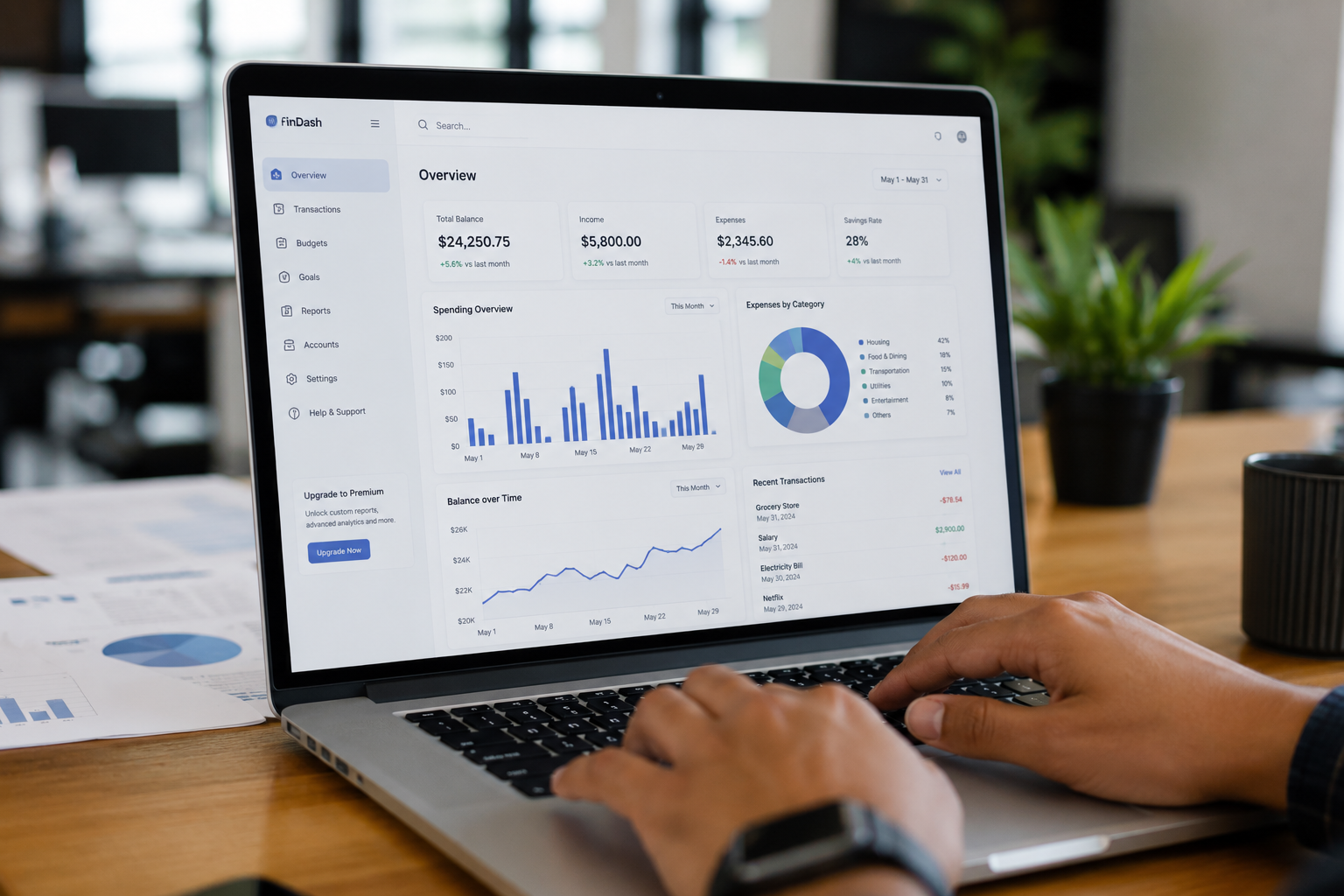
AI has fundamentally reshaped personal finance in 2026. Modern budgeting platforms can:
- Predict upcoming bills and cash flow gaps before they happen
- Recommend personalized savings targets based on spending patterns
- Alert you to unusual transactions or potential fraud instantly
- Suggest better financial products, like lower-interest credit cards or high-yield savings accounts
The shift from static spreadsheets to predictive, conversational finance assistants means budgeting is no longer just about tracking the past — it’s about planning the future with far greater accuracy.
Building an Emergency Fund in an Uncertain Economy
With economic volatility becoming the norm rather than the exception, an emergency fund is non-negotiable. Financial planners in 2026 generally recommend:
- Starter goal: One month of essential expenses saved quickly
- Mid-term goal: Three to six months of expenses in a high-yield savings account
- Stretch goal: Nine to twelve months for freelancers or those in unstable industries
Automating a fixed transfer to a separate emergency fund account right after payday remains one of the simplest and most effective smart budgeting habits.
Smart Debt Management Strategies
Debt remains one of the biggest obstacles to financial freedom. Two proven repayment strategies continue to dominate in 2026:
- Debt avalanche method: Pay off the highest-interest debt first to minimize total interest paid over time.
- Debt snowball method: Pay off the smallest balances first to build momentum and motivation.
Many budgeting apps now let you simulate both strategies side by side, showing exactly how much time and money each approach saves — making it easier to choose the method that fits your personality and goals.
Investing While Budgeting: Balancing Growth and Security
Budgeting isn’t only about cutting costs — it’s also about making your money work harder. In 2026, more people are integrating investing directly into their monthly budget rather than treating it as an afterthought. Popular approaches include:
- Automating a fixed percentage of income into diversified index funds
- Using micro-investing apps to invest spare change alongside savings
- Balancing short-term liquidity (savings) with long-term growth (retirement and investment accounts)
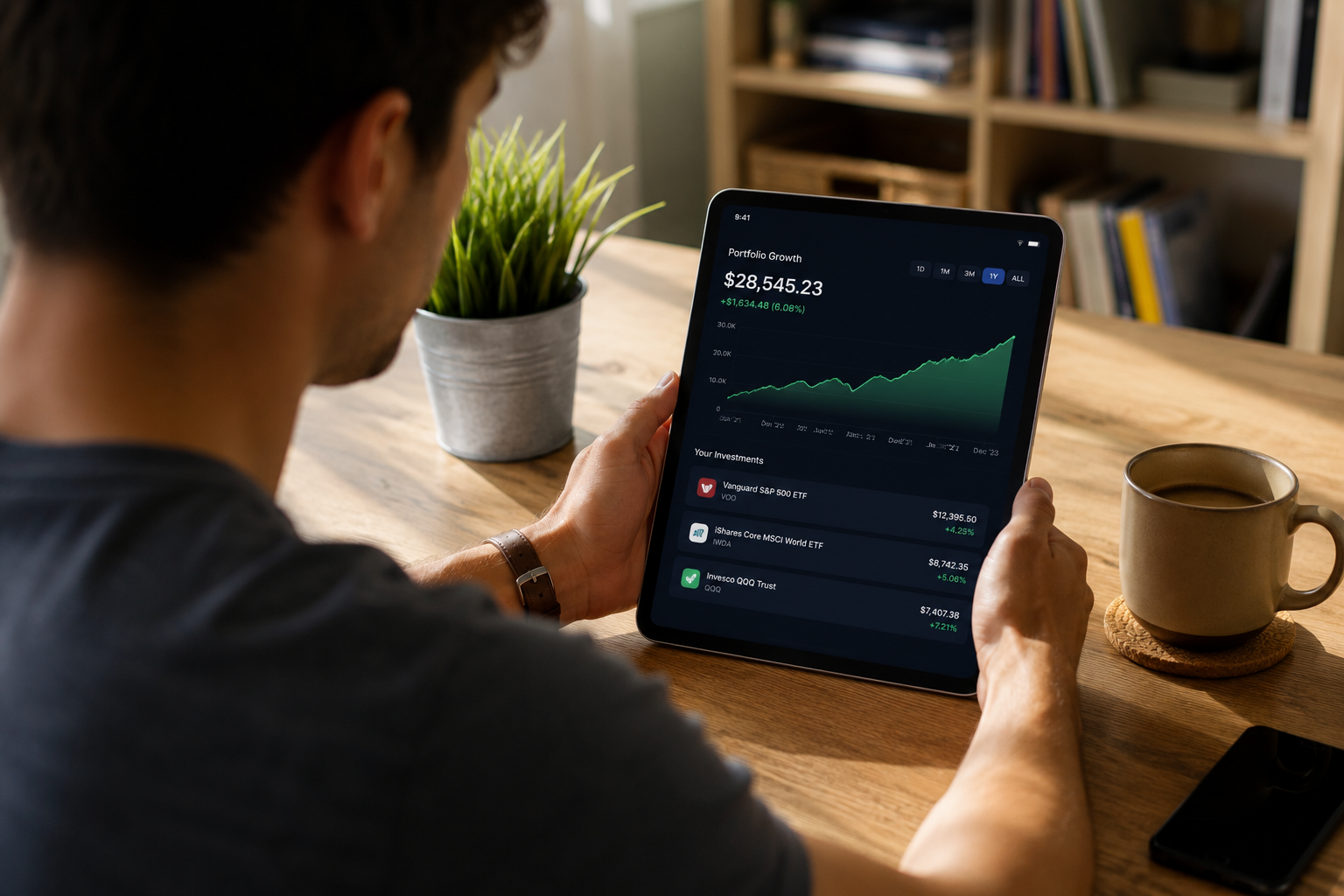
The goal is a budget that doesn’t just protect what you have, but grows it steadily over time.
Common Budgeting Mistakes to Avoid
Even smart budgeters fall into traps. Watch out for:
- Being too restrictive: Overly strict budgets often lead to burnout and abandoned plans.
- Ignoring irregular expenses: Annual fees, car maintenance, and holiday spending need their own planning category.
- Not reviewing regularly: A budget set once and never revisited quickly becomes outdated.
- Relying on memory instead of tracking: Even with AI tools, checking in weekly keeps you accountable.