
What First-Time Buyers Need to Know About Insurance in 2026
Buying your first home is exciting, but it also comes with a learning curve that catches most new buyers off guard — and insurance is usually the biggest surprise of all. In 2026, home insurance premiums are averaging close to $3,000 a year nationally, and in high-risk states like Florida, Texas, and California, costs can be double or triple that. Nearly half of first-time buyers say they’d struggle to keep up with their mortgage if premiums climbed even further.
If you’re stepping into homeownership for the first time this year, understanding how insurance works — and how to shop for it wisely — isn’t optional anymore. It’s a core part of figuring out what you can actually afford. The days of treating insurance as a quick checkbox on closing day are over. In 2026, it’s a recurring monthly cost that can shape which homes are realistic for your budget in the first place.
This guide breaks down everything a first-time buyer needs to know about insurance in 2026, from the types of coverage you’ll need to the smartest ways to keep your costs under control, the mistakes to avoid, and the questions worth asking before you sign anything.
Why Insurance Knowledge Matters More Than Ever in 2026
The profile of the first-time buyer has changed a lot over the past decade. First-time buyers now make up a much smaller share of home purchases than they used to, and the median age of a first-time buyer has climbed into the 40s — a sign that people are waiting longer, saving more cautiously, and entering the market with tighter margins. Many are also putting down smaller down payments than repeat buyers, which means less of a financial cushion if unexpected costs show up.
Insurance has become one of those unexpected costs. Lenders won’t let you close on a home without proof of insurance, and in some high-risk areas, buyers are finding out mid-contract that a property is difficult or unusually expensive to insure. In the past, insurance was something you sorted out quickly in the final week before closing. Today, more real estate agents and mortgage brokers are advising buyers to request insurance quotes before they even make an offer, because a home that looks affordable on paper can become unaffordable once the insurance premium is added in.
This shift matters because it changes how you should approach house hunting. A lower listing price doesn’t always mean a lower total monthly cost. Two similarly priced homes in different neighborhoods, or even on different streets, can carry very different insurance costs depending on their age, roof condition, construction materials, and exposure to weather-related risk.
Understanding the Different Types of Insurance You’ll Need
Insurance isn’t a single line item — it’s a small ecosystem of policies that work together to protect your new home and your finances. Knowing what each one does will help you avoid paying for coverage you don’t need, and make sure you’re not missing coverage you do.
Homeowners Insurance
This is the policy your lender will require before you can close. It covers the structure of your home, your personal belongings, liability if someone is injured on your property, and often additional living expenses if you’re temporarily displaced after a covered event like a fire. Not all disasters are automatically covered — flood and earthquake damage, for example, usually require separate policies, and standard coverage limits sometimes fall short of what it would actually cost to rebuild.
When reviewing a homeowners policy, pay close attention to the difference between “actual cash value” coverage, which factors in depreciation, and “replacement cost” coverage, which pays to rebuild or replace at today’s prices. The latter costs more but protects you far better if you ever need to file a major claim.
Title Insurance
Title insurance protects you and your lender from problems with the property’s ownership history, such as unpaid liens, boundary disputes, unresolved estate claims, or outright fraud. It’s a one-time cost paid at closing, and while it’s easy to overlook next to the bigger, recurring cost of homeowners insurance, it protects one of the biggest investments you’ll ever make. Most buyers only think about title insurance when something goes wrong — and by then, it’s too late to add it.
Mortgage Protection and Life Insurance
Many first-time buyers also consider mortgage protection insurance or a basic term life insurance policy, especially if they have a partner or dependents relying on their income. This isn’t required by lenders, but it’s worth understanding as part of your overall financial safety net once you take on a mortgage. Mortgage protection policies typically pay off or pay down your mortgage balance if you pass away, while a term life policy offers more flexibility, since the payout can go toward anything your family needs, not just the mortgage.
Private Mortgage Insurance (PMI)
If your down payment is below 20%, which is common among first-time buyers, your lender will likely require PMI. This protects the lender, not you, in case of default, and it’s typically added to your monthly mortgage payment until you build enough equity in the home. It’s worth asking your lender exactly when PMI can be removed, since some loans automatically drop it once you reach a certain equity threshold, while others require you to request its removal.
Flood and Earthquake Insurance
These are almost always separate from a standard homeowners policy, and they’re easy to overlook if you’re not buying in an obviously high-risk area. Flood risk maps are updated periodically, and a property that wasn’t considered flood-prone a decade ago may fall into a higher-risk zone today. It’s worth checking current flood zone data for any property you’re seriously considering, even if it seems unlikely to flood.

Why Insurance Premiums Are Rising in 2026
If you’ve heard that home insurance is getting more expensive, that’s not just a rumor — it’s one of the defining housing trends of 2026, and it’s reshaping how buyers approach affordability.
Climate Risk and Rebuilding Costs
Severe weather events over the past few years have led to billions of dollars in insurance losses, and insurers have responded by raising premiums, especially in coastal, wildfire-prone, and storm-heavy regions. At the same time, the cost of building materials and skilled labor has climbed, which increases what it costs an insurer to rebuild a home after a claim — and that cost gets passed on to policyholders in the form of higher premiums, even in areas that aren’t considered especially high-risk.
A Shift Toward Property-Specific Risk Assessment
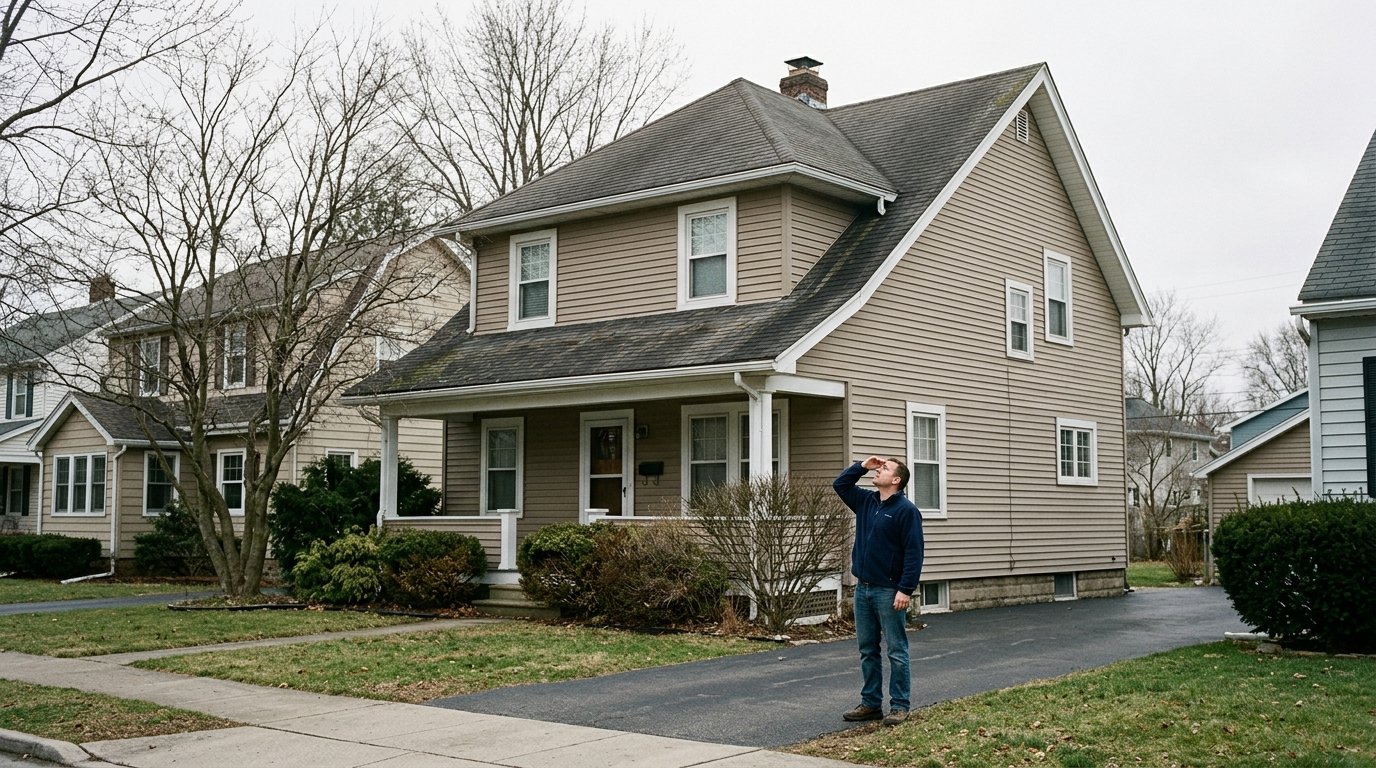
For years, insurers priced policies mostly based on ZIP code averages. That’s changing quickly. Many insurers now assess individual properties using detailed data, including aerial imagery, to judge risk more precisely. This means two homes on the same street could have noticeably different premiums depending on their roof condition, proximity to overgrown brush, or past claims history. Several states are now introducing rules around how this kind of imagery can be used, including limits on how old the data can be before it’s considered outdated, so it’s worth asking your insurer directly how your quote was calculated and whether it’s based on current conditions.
Regional Differences Are Getting Sharper
Where you buy matters more than ever. Homeowners in wildfire-prone parts of the West and storm-exposed areas of the Gulf Coast and Southeast have seen premiums climb sharply, sometimes doubling or tripling in just a few years. Meanwhile, buyers in lower-risk regions may see much smaller increases, or none at all. This growing gap means it’s worth researching regional insurance trends specifically for any area you’re considering, rather than relying on national averages alone.
Some Relief Is on the Way
It’s not all bad news. Reinsurance costs — what insurance companies pay to protect themselves against large-scale losses — have started softening in 2026 after several difficult years, and a growing share of homeowners are reporting smaller rate increases at renewal compared to 2025. Mortgage rates are also expected to ease slightly this year, which helps offset some of the added pressure from rising insurance costs, even if it doesn’t eliminate it.
Budgeting for Insurance Before You Buy
One of the most common mistakes first-time buyers make is treating insurance as an afterthought — something to sort out in the final days before closing. Instead, build it into your budget from the very beginning of your home search, not after you’ve already fallen in love with a property.
- Get quotes early. Ask for insurance estimates on any property you’re seriously considering, before you make an offer, not after you’re already under contract.
- Factor it into your monthly budget, not just your down payment. Insurance is typically rolled into your monthly mortgage payment through an escrow account, so it directly affects how much house you can afford.
- Ask about the home’s claims history. A property with multiple past claims can come with a higher premium, regardless of its current condition, since insurers weigh claims history heavily.
- Check the rebuild cost, not the market value. Your dwelling coverage should reflect what it would actually cost to rebuild the home, which is often very different from what you paid for it or what it’s currently worth on the market.
- Set aside a buffer for renewal increases. Even if your first-year premium feels manageable, build some flexibility into your budget for the following year’s renewal, since rate increases are common.
How to Shop Smart and Lower Your Costs
The good news is that first-time buyers tend to be more proactive insurance shoppers than repeat buyers — they’re more likely to compare multiple quotes and actually read their policy before signing. Here’s how to make that work in your favor.
Compare Multiple Quotes
Don’t accept the first policy your lender or agent suggests. Rates for the same coverage can vary significantly between insurers, sometimes by hundreds of dollars a year, so getting three or more quotes is one of the simplest and most effective ways to save.
Bundle Your Policies
Many insurers offer discounts when you combine home and auto insurance under one provider. If you already have an auto policy, ask your insurer what a bundled home policy would cost, and compare that total against separate policies from different companies.
Raise Your Deductible Carefully
Choosing a higher deductible can lower your monthly premium, but make sure it’s an amount you could comfortably pay out of pocket if you ever needed to file a claim. A lower premium isn’t worth much if a higher deductible would put you in financial strain after a covered loss.
Invest in Resilience Features
Storm-rated windows, reinforced roofing, backup power systems, and flood-resistant construction are increasingly seen as valuable by insurers, not just buyers. These upgrades can improve both your insurability and your long-term premium, and some insurers offer specific discounts for homes with these features already in place.
Use Embedded Insurance Tools
A growing number of mortgage and real estate platforms now let you compare and even bind insurance policies directly during the home-buying process. These tools can save time, but always double-check that a cheaper-looking policy isn’t cutting corners on coverage limits or deductibles. A policy that looks like the best deal on the surface may exclude coverage you actually need.
Review Your Policy Every Year
Your insurance needs don’t stay static. As your home ages, as you make renovations, or as your area’s risk profile changes, your coverage needs can shift too. Reviewing your policy annually, rather than letting it auto-renew without a second look, is one of the easiest ways to catch gaps or overpayment.

Common Mistakes First-Time Buyers Make With Insurance
- Waiting until the last minute to get quotes, which can lead to unpleasant surprises right before closing, or even cause a deal to fall through if a home turns out to be difficult to insure.
- Choosing coverage based on price alone, without checking what’s actually included or excluded, which can leave major gaps in protection.
- Assuming flood or earthquake damage is covered under a standard homeowners policy — it usually isn’t, and these are two of the most commonly misunderstood exclusions.
- Underinsuring the home by using its purchase price instead of its rebuild cost to set coverage limits, which can leave you underfunded after a major claim.
- Not reviewing the policy annually, even though rates and risk factors can change every year, sometimes significantly.
- Overlooking personal belongings coverage limits, especially for higher-value items like jewelry, electronics, or musical instruments, which often require separate riders.
- Not asking about discounts, such as those for security systems, resilience upgrades, claims-free history, or bundling, which can add up to meaningful savings over time.
Questions Worth Asking Your Insurance Agent
Before you sign anything, it’s worth having a direct conversation with your insurance agent or broker. A few questions can save you from surprises later:
- What exactly is excluded from this policy, and would I need a separate policy or rider to cover it?
- Is my dwelling coverage based on current rebuild costs, or an outdated estimate?
- How was my quote calculated — based on ZIP code averages, or property-specific data like aerial imagery?
- What discounts am I eligible for, and how do I qualify for more of them?
- How much could my premium realistically increase at renewal, based on trends in this area?
- What’s the claims process like, and how quickly are claims typically resolved?
Asking these questions upfront won’t just help you choose the right policy — it will also help you understand what you’re actually paying for, which is something a surprising number of homeowners never fully sort out until they need to file a claim.